6 Steps for a Successful Beta Testing Phase

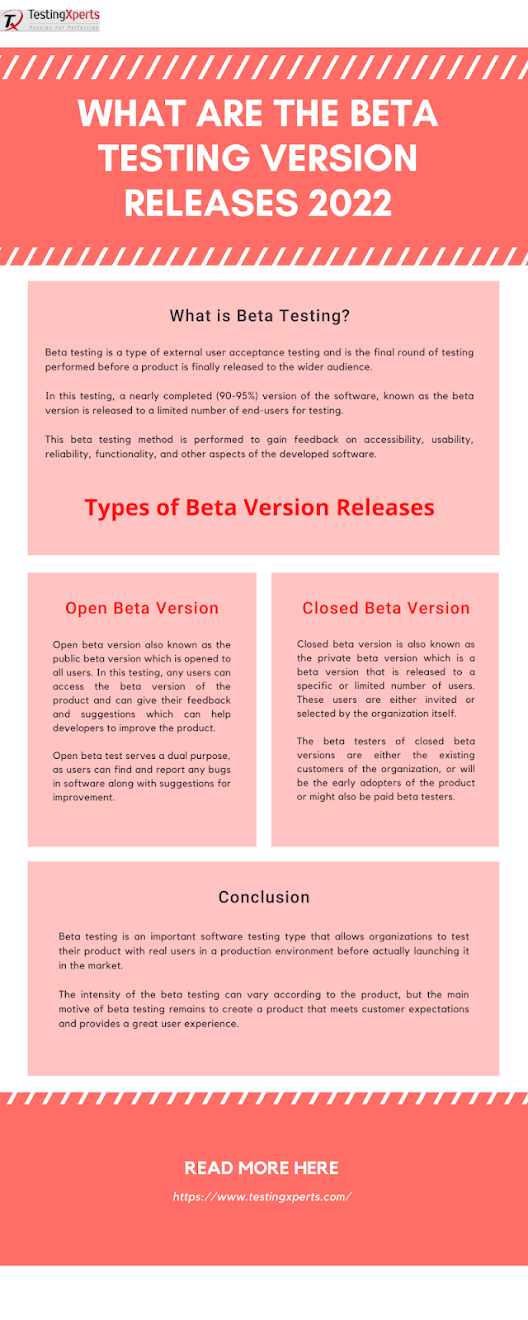
What is Beta Testing?
Beta testing allows users to give valuable feedback on
the "beta" version of a product or update features in an older
product. This is called user acceptance testing (UAT). Developers ask users for feedback on bugs and
issues, highlight potential functionality improvements, and evaluate
their user experience as a whole.
Based on the specific test, the definition of a beta test can change. The term was originally used in the software
industry, such as mobile apps and operating system development, but it can now
be applied to many other goods and industries.
What is a Beta Version?
Beta test process is performed on beta versions of products by
testers. These versions are as close as possible to final development before
users get them. Beta
versions, named after the second letter in the Greek alphabet are complete to
the developers' eyes. However, they still need user feedback. After
receiving feedback, developers can make any necessary adjustments and ship the
final product.
3 types of beta testing
There are many types
of beta testing. These are the three types of beta testing you
should consider:
Closed beta testing is a process that focuses only on a
few uses. It's not open to the public. This user base acts as a core team for testing
specific products and identifying flaws. Closed beta
testing can be useful to get feedback and implement changes before broader
testing.
1. Open beta testing: Anyone interested in the product can
participate in this form of unit testing.
2.
Public beta testing: is dependent on real users to spot
problems with new features and products. Developers may choose to select
certain beta testers based on their
3.
Technical beta
testing: technical
prowess in order to receive more technical feedback. Technical beta testing relies on users being
able to identify the bugs and potential solutions for debugging.
4 Other Kinds of Performance Testing
Beta testing is only one phase of a long-term testing
cycle for products or services. These are
the four most popular iterations.
1. Alpha testing: This is internal testing of their products. The development team makes every effort to make
the beta phase as smooth and bug-free as possible during the alpha phase.
2. Black box testing: This is a form of testing where users
don't know how a developer designed or implemented a product. All beta testing is in a sense black box
testing, as it allows users to test the product without having any technical
knowledge.
3. Final release testing: Following beta testing, additional
final release testing is conducted before the product launches. Stakeholders and end users alike will review the
new features and products before they are released to the public.
4. White box testing:
This is the antithesis to black-box testing. In white-box testing, users learn
about the code and design process behind the product. They get to see what goes on behind the scenes. Many alpha
testing can also be considered white box testing.
6 Steps to a
Successful Beta Testing Phase
Beta testing is about getting the product to market as
quickly as possible and being open to re-launching the product based on
feedback.
These are the six
steps to success in beta testing.
1. Complete alpha testing. All known bugs and issues should be resolved
prior to moving on to the beta phase. The beta
version should be as perfect as possible for the internal team. Products
will not be allowed to enter the beta testing phase if they don't have enough alpha
testing.
2. Choose a test strategy. A specific strategy will help you to make the
beta testing process more efficient. Consider
whether you want a beta testing to be focused on particular features or the
whole product. You can ask for specific feedback or open the
door to everyone who is interested to test out the product.
3. Define your target market. While beta testing is generally conducted on
people, you should focus more on the individuals you choose to serve as use
cases. If you have a mobile app that appeals to
millennials, you should ask them to beta-test it.
4. You should be focusing on the user experience. Users will not be able to help you with
technical problems unless you are doing technical beta testing. Instead of
hoping for solutions, this phase should be about gathering insights and
positive feedback.
5. Get honest feedback. Encourage test cases to give honest feedback to
your team so they can achieve the best final product. Customer
satisfaction and customer validation must be authentic. If enough
customers provide constructive criticism, be prepared to go back to the drawing
boards.
6. Set exit criteria. No product is perfect, so the beta testing
period must end. You will need to set exit criteria so that you
know when you are ready to stop receiving feedback and implement changes in
order to move on to the final phase of testing. Beta testing
can continue even after a product is released. Software
updates and other product upgrades are common because of this.

Comments
Post a Comment